
DVS Insights.
A deeper understanding of pitching.
Research, perspectives and practical insights into the art and science of developing pitchers.
The Lead Story.
Essential Reads.
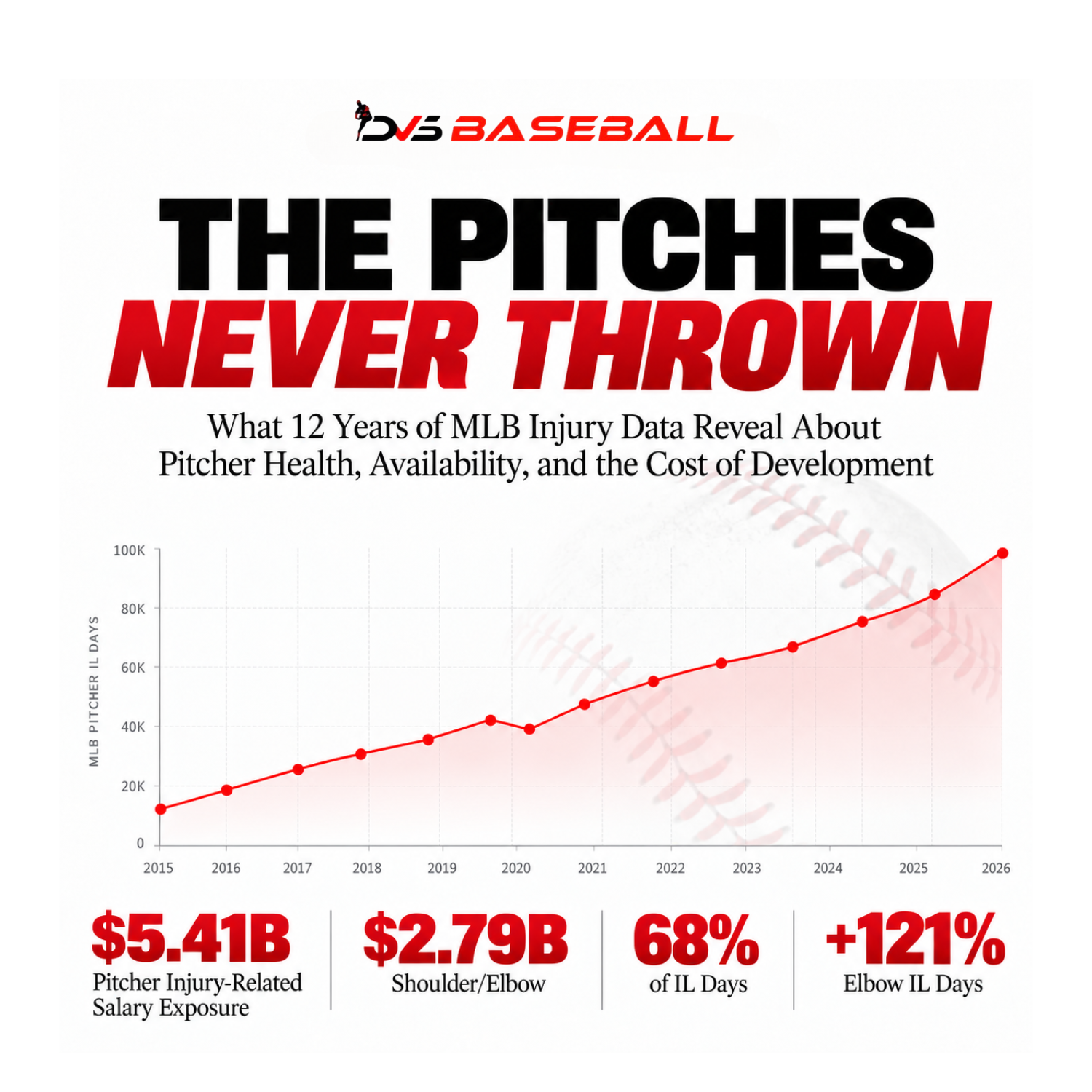
Baseball has never known more about the pitches thrown. But what about the pitches never thrown? DVS Baseball's analysis of 12 seasons of MLB injury data reveals $5.41 billion in pitcher injury-related salary exposure, a 121% increase in elbow-related injured-list days, and a critical question: Are we developing pitchers for greater performance, or the ability to sustain it?
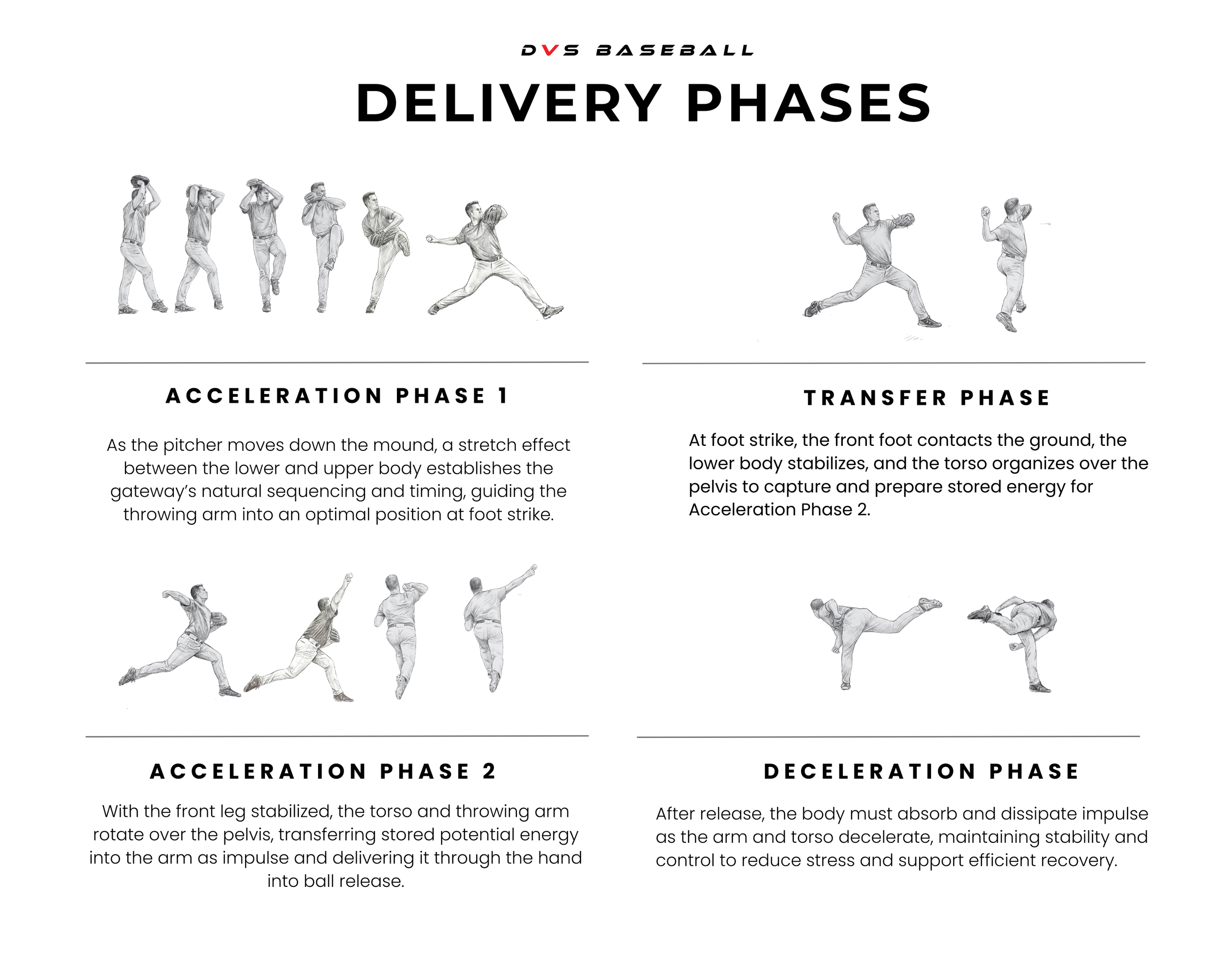
A pitcher’s delivery isn’t just “mechanics”—it’s an energy system. The DVS Score shows how efficiently you’re using it, and the process in this article explains exactly how to improve it.
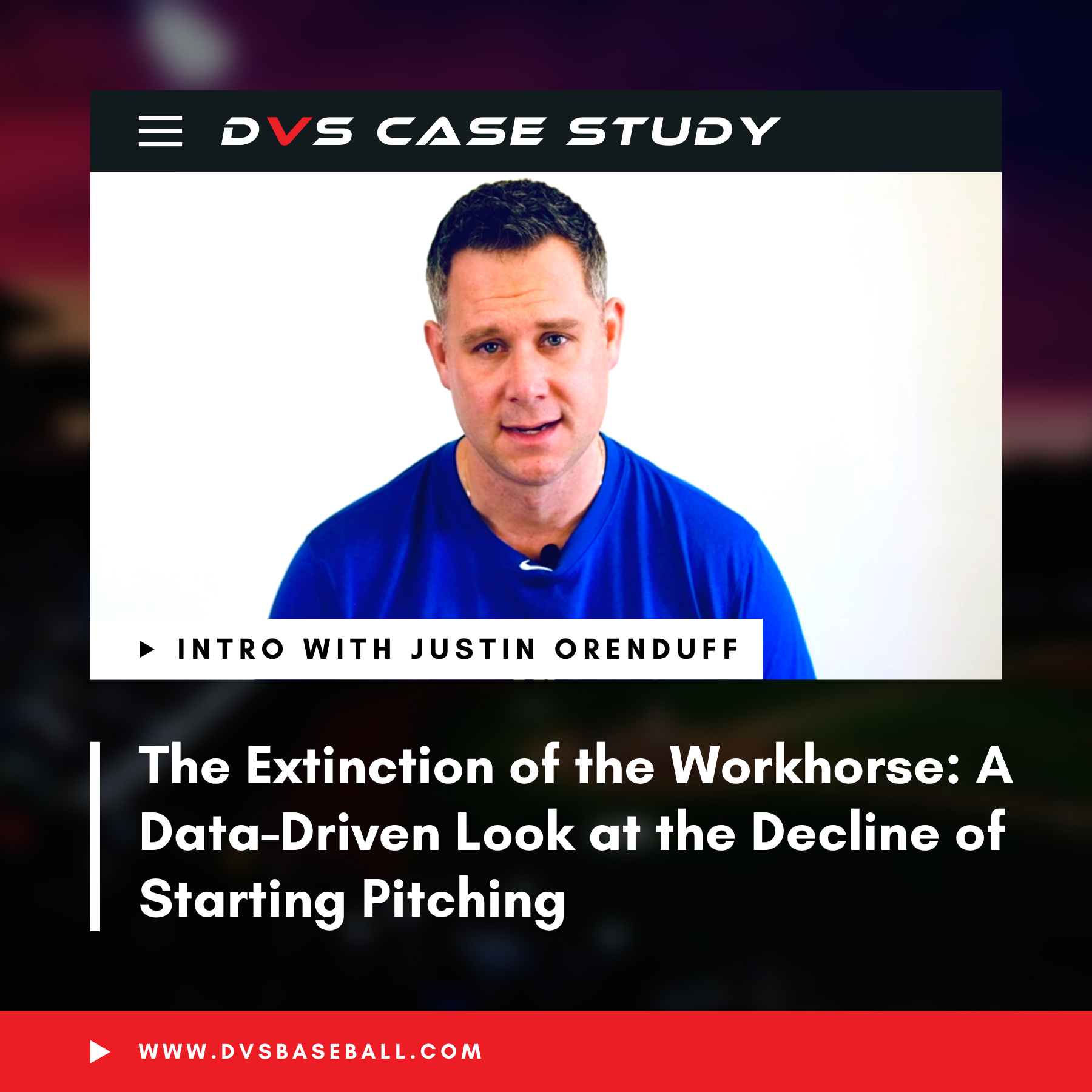
After analyzing over 1,100 elite pitchers drafted since 2013, the data reveals a sobering reality: a 38% injury rate and an "inning threshold" that is ending careers before they reach their prime. DVS Baseball founder Justin Orenduff breaks down the case study that explains why the 200-inning workhorse is becoming extinct and how we can engineer a path back to durability.

Sustainable velocity isn’t just about throwing harder—it’s about optimizing mechanics and energy transfer. The Stretch Effect maximizes separation between the pelvis and upper body, allowing pitchers to generate more velocity without excessive arm stress.
In this article, we break down how Nate Reed, a College of Charleston commit, applies this principle to refine his delivery.

Logan Jarosz had the most mechanically efficient amateur pitching delivery I’ve ever seen. This post explores his natural motion, the challenges he faced in player development, and the importance of mentorship over technology in coaching. Discover why individuality in pitching mechanics matters.

On April 9th, 2004, Justin Verlander and I faced off against each other in one of the most anticipated college baseball games in recent history.
This game was unique because it was a showdown between two of the best college pitchers, both highly touted Draft prospects who had spent the previous summer as teammates on USA Baseball Collegiate National Team. A matchup, ODU vs. VCU, conference rivals, that had everyone on the edge of their seats, a game that would go down in history.

Rediscover the lost art of the traditional windup—a pitching technique that once dominated baseball's golden era. In this detailed exploration, we delve into how this classic method could revolutionize pitching in the modern era, enhancing both performance and longevity. Learn why some of baseball's greatest Hall of Fame pitchers swore by this method, and why it still holds tremendous potential for today's high-velocity pitchers.
Pitching Mechanics.
VIEW ALL ARTICLES ↗Exploring movement, timing and sequencing throughout the pitching delivery.
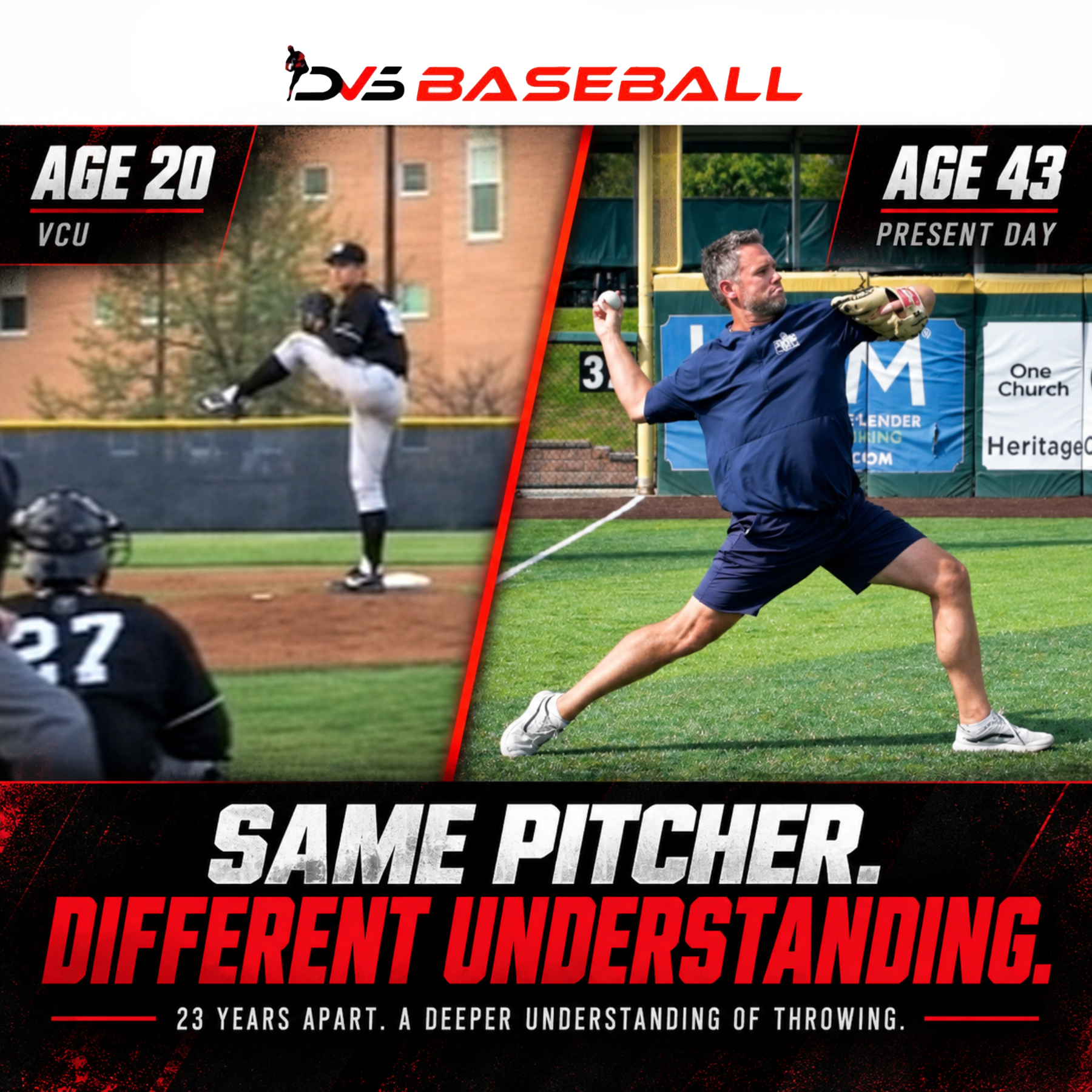
To the next generation of pitchers: At 20, I was on my way to becoming a first-round draft pick. At 43, I throw differently because I understand throwing differently. After years developing and applying the Delivery Value System, I've learned that success is not the end of our education, and individuality does not change the laws of physics. These are lessons I wish I'd understood sooner.
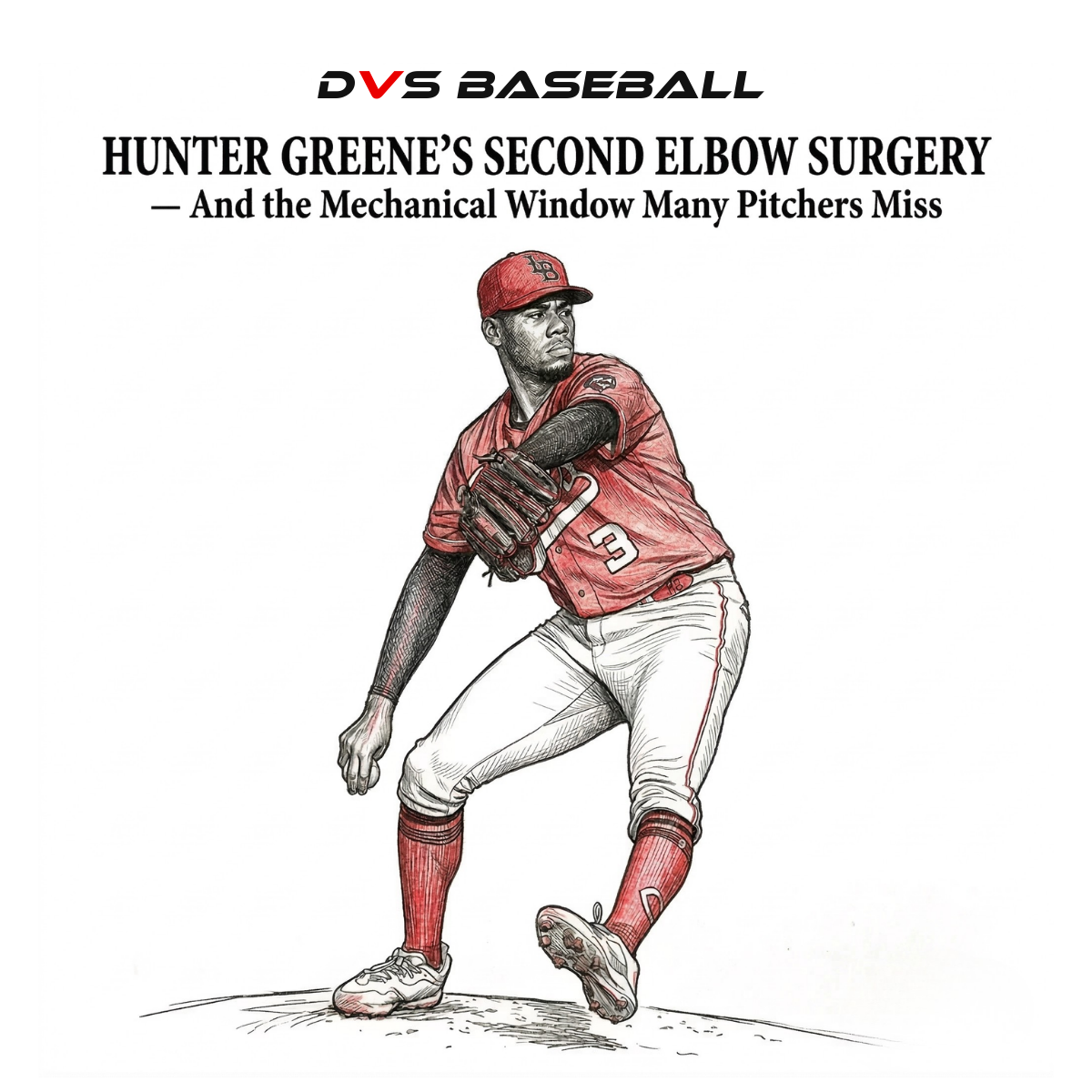
Cincinnati Reds ace Hunter Greene is set to undergo his second elbow surgery since entering professional baseball. After analyzing more than 4,000 MLB pitchers, this pattern has become increasingly familiar. In today’s game, elite velocity alone is not enough to sustain a career. There is a subtle mechanical window in the pitching delivery—often missed—that determines whether a pitcher’s body can support high velocity over time. Hunter Greene’s situation highlights a sequencing issue many pitchers face, and why correcting it could be the difference between short bursts of dominance and a durable career.
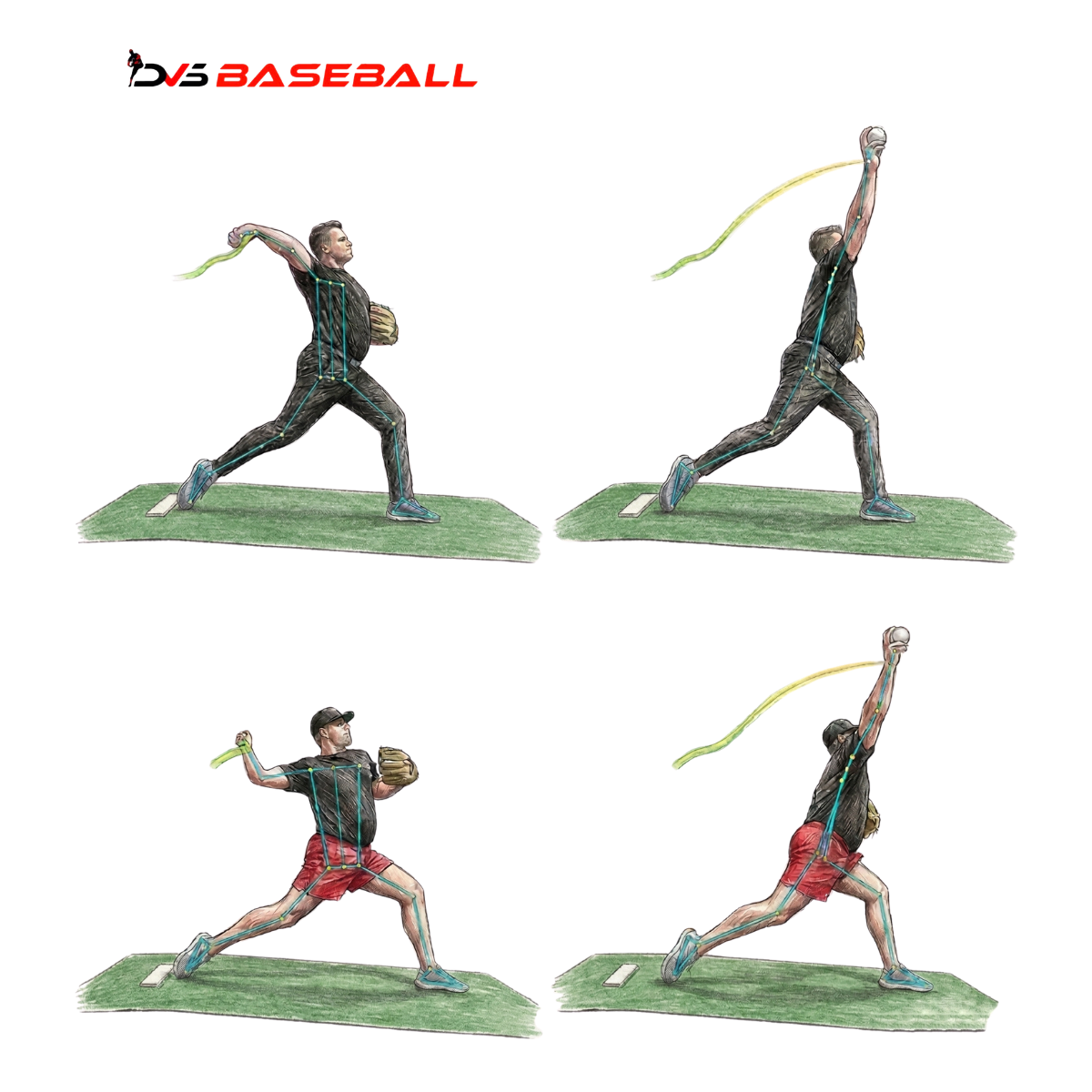
Returning to high-intensity throwing requires more than just increasing effort. In this article, I share how I’m using LiveArm strength testing and DVS X-Ray biomechanical analysis to guide my throwing progression, monitor shoulder strength, and ensure my mechanics remain efficient as intensity increases.
Pitcher Development.
VIEW ALL ARTICLES ↗Practical insights into training, preparation and the development of sustained pitching performance.
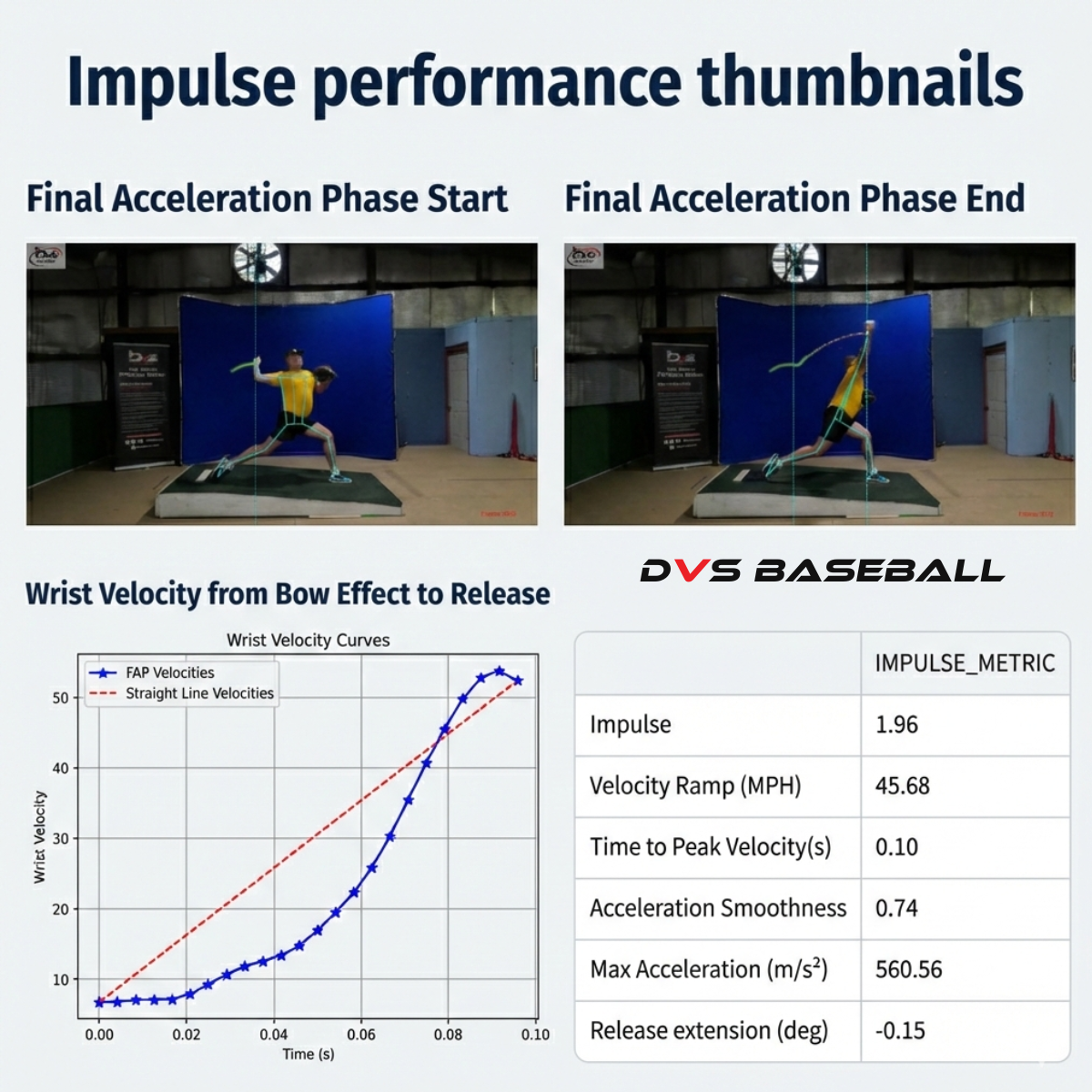
Velocity is trending up across baseball, but durability is trending the other way. The radar gun gives you the output—it doesn’t explain how the force was generated or whether it’s repeatable. By pairing the DVS Score with Arm Impulse metrics, pitchers and coaches can stop chasing peak numbers and start building sustainable velocity that holds up over a season and a career.

Velocity alone doesn’t tell the full story. Two pitchers may throw the same mph, but the path they take to get there can mean the difference between health and breakdown. In this article, we explore how the DVS Arm Impulse Index reveals the efficiency, sequencing, and sustainability behind velocity—and how coaches and pitchers can use it to build lasting success on the mound.

Discover how the biomechanics of shooting a basketball can provide valuable insights into protecting the elbow in baseball pitching, focusing on joint coordination to prevent injuries.
Arm Health & Recovery.
VIEW ALL ARTICLES ↗Understanding throwing demands, arm function, recovery and the capacity to sustain pitching performance.

Discover how mechanical adjustments and early injury detection can extend the careers of pitchers like John Means. Learn from his case study and protect your athletes with insights from DVS Baseball.

The DVS Score distribution in the 2023 Men's College World Series has shed light on a concerning correlation among highly regarded amateur pitchers – their increased risk of throwing arm injuries due to pitching mechanics. With nearly 50% of pitchers considered high-risk based on their DVS Scores, the industry faces a pressing challenge as the average pitcher's velocity continues to rise. This article delves into the findings of the 2023 MCWS, compares them with previous studies, and underscores the urgency of addressing these issues to curb the escalating rates of significant throwing arm injuries.

The post-Verlander Analytic Tigers look just like their 2000’s rebuild Tigers. Despite the "hype" about the armada of arms on the horizon. If the armada of arms can't stay healthy, how long will the Tigers remain in their rebuild? Hopefully, the revamped Tigers analytics and player development department can right the ship with Mize, Manning, Skubal, Faedo, Fulmer, but their current history and patterns suggest otherwise.
Research & Perspectives.
Original research, historical insights and perspectives on the evolution of pitching, player development and career longevity.
Baseball has never known more about the pitches thrown. But what about the pitches never thrown? DVS Baseball's analysis of 12 seasons of MLB injury data reveals $5.41 billion in pitcher injury-related salary exposure, a 121% increase in elbow-related injured-list days, and a critical question: Are we developing pitchers for greater performance, or the ability to sustain it?
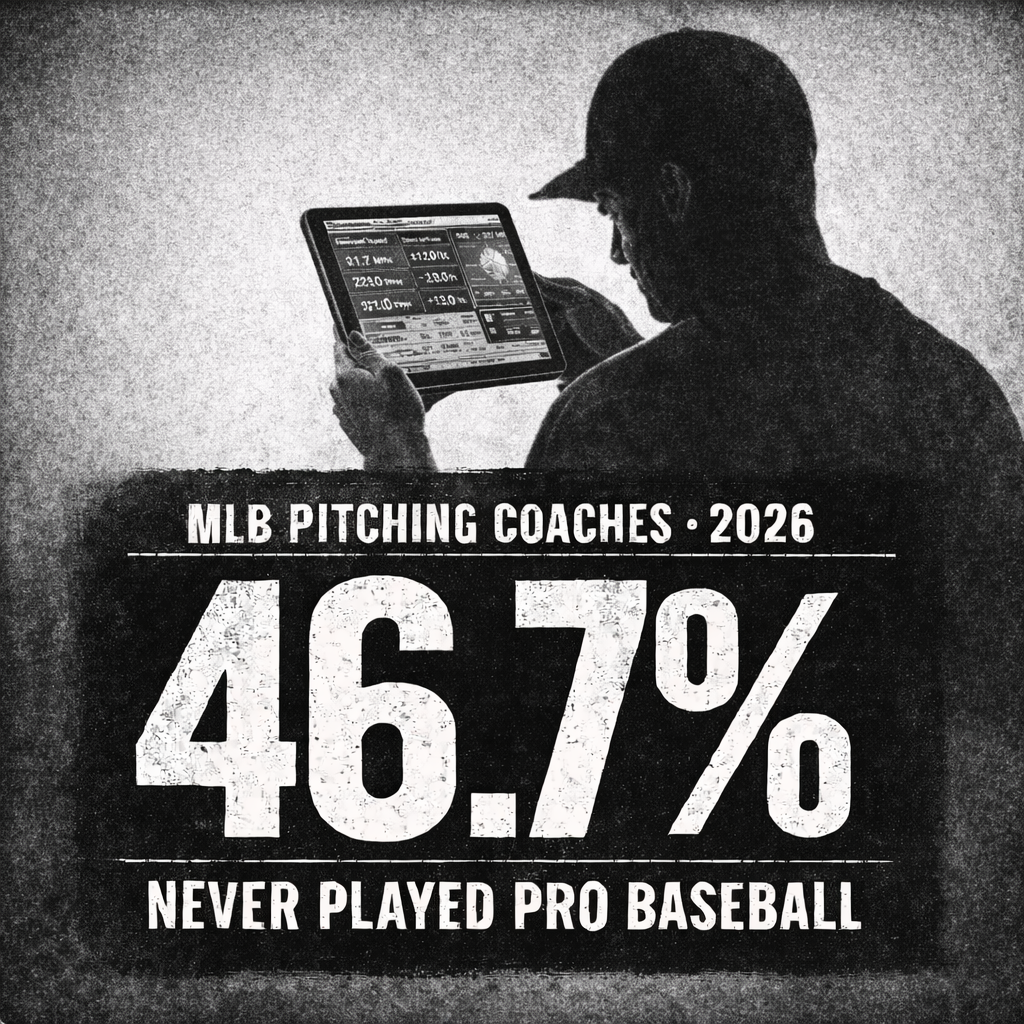
A role-by-role look at 2026 MLB pitching staffs shows how many coaches have zero pro playing experience—and what that shift could mean for pitcher durability.
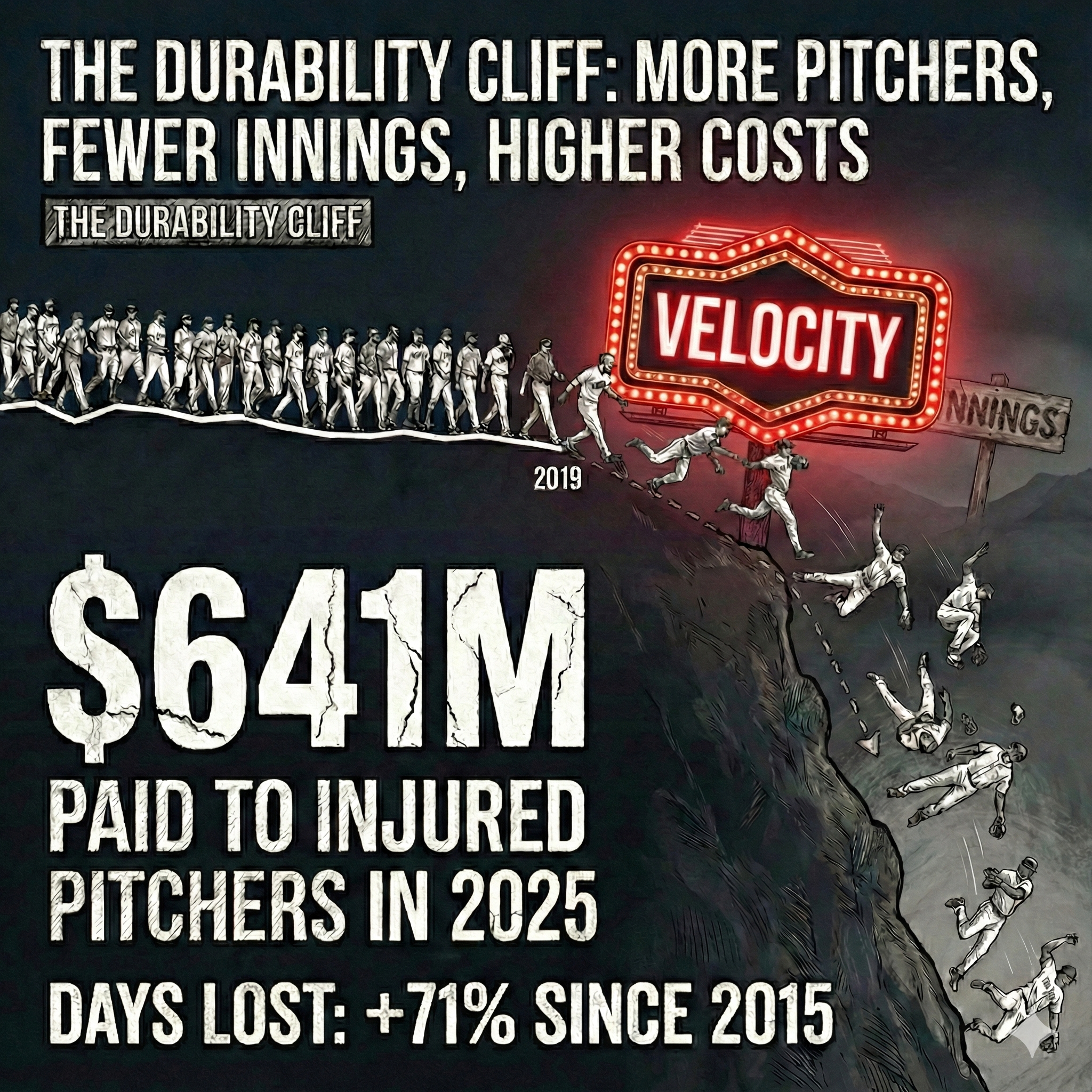
MLB teams are using 42.7% more pitchers per season since 2013—not because it’s smarter, but because durability is collapsing. With Days Lost to the IL up 71% and hundreds of millions paid to unavailable arms, the sport now rewards “stuff” faster than it rewards consistency. This is the Durability Cliff—and why the next advantage will be rebuilding traditional starter durability.
Knowledge is the beginning. Development is the next step.
Every pitcher is different. Understanding your own delivery is the first step toward building a more effective and sustainable approach to pitching.
START WITH A PITCHING ASSESSMENT ↗
There Is No One Way to Throw a Baseball. That Doesn't Mean Every Way Is Equal.
To the next generation of pitchers: At 20, I was on my way to becoming a first-round draft pick. At 43, I throw differently because I understand throwing differently. After years developing and applying the Delivery Value System, I've learned that success is not the end of our education, and individuality does not change the laws of physics. These are lessons I wish I'd understood sooner.
To the next generation of pitchers: At 20, I was on my way to becoming a first-round draft pick. At 43, I throw differently because I understand throwing differently. After years developing and applying the Delivery Value System, I've learned that success is not the end of our education, and individuality does not change the laws of physics. These are lessons I wish I'd understood sooner.