
Articles
LATEST RESEARCH AND ARTICLES
FEATURED
MOST READ


Using DVS X-Ray to Guide Conversations About Velocity Gains
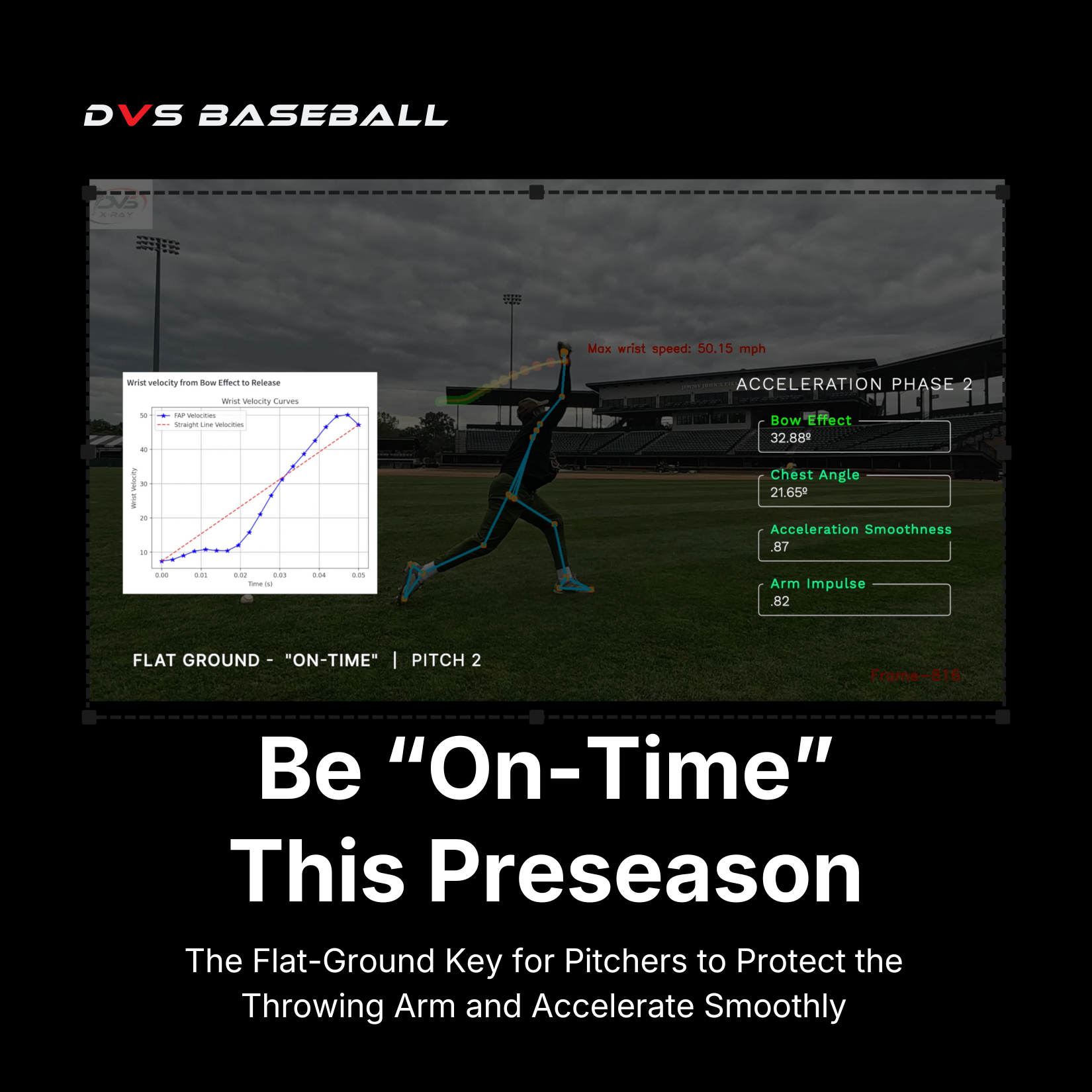
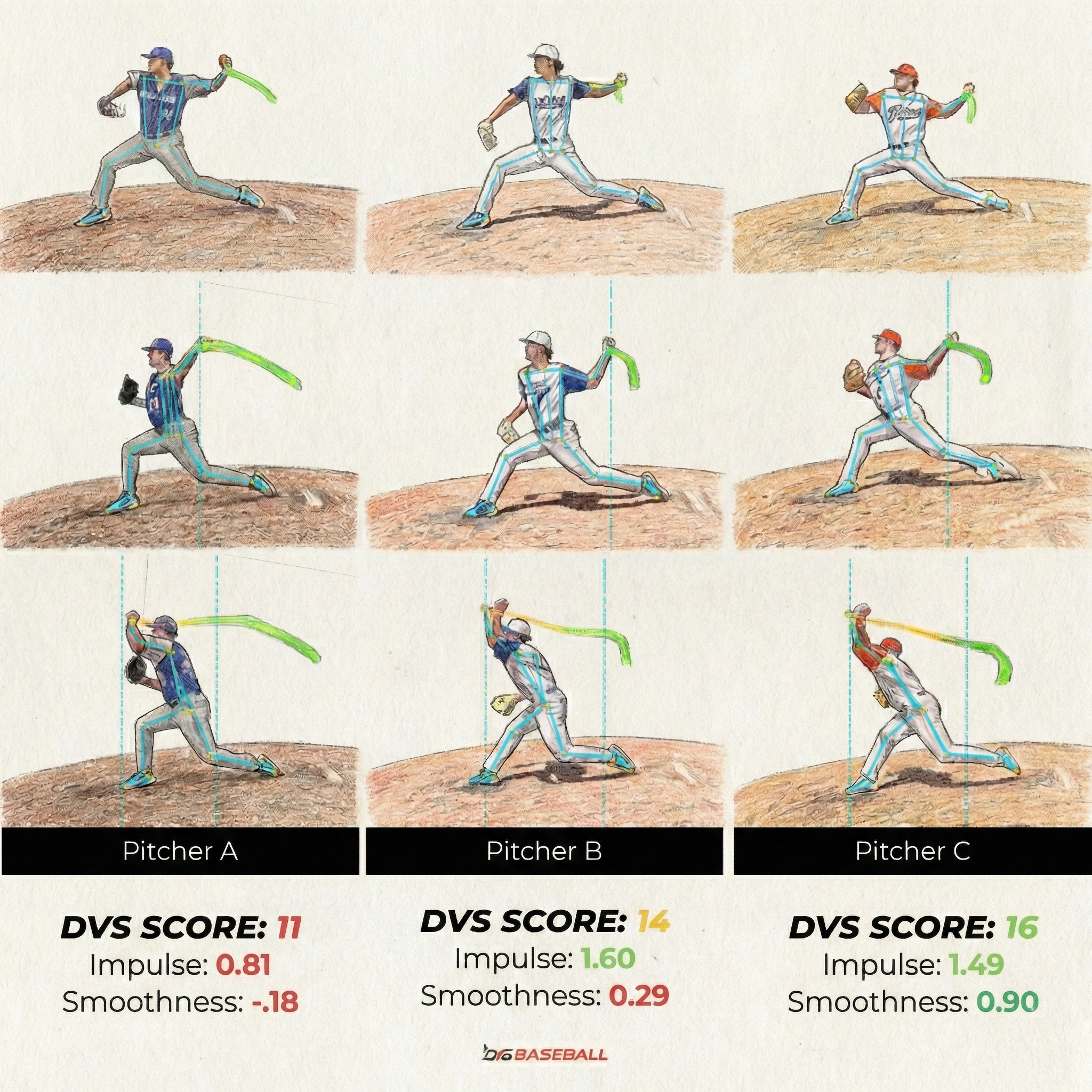
If you’re responsible for developing pitchers, this is a practical guide to applying DVS X-Ray data in real time. I explain how DVS Score (energy creation) and Arm Impulse (energy transfer) work together, then walk through three pitcher profiles to show how to adjust training focus, ramp workload appropriately, and pursue velocity gains with better leverage and lower risk.

Two Pitchers. Same Velocity. Which One Lasts?
Velocity alone doesn’t tell the full story. Two pitchers may throw the same mph, but the path they take to get there can mean the difference between health and breakdown. In this article, we explore how the DVS Arm Impulse Index reveals the efficiency, sequencing, and sustainability behind velocity—and how coaches and pitchers can use it to build lasting success on the mound.
Because something can be measured does not mean it should become the measure of everything. Baseball’s danger did not begin when it acquired better information. It began when information ceased to serve the game—and the game began to serve the information.